To make it easier for you to take a deep dive into the data on and approaches to transjugular intrahepatic portosystemic shunt (TIPS) procedures, we are assembling a library of educational videos addressing the subject.
The following series of three articles dives into the details of excerpts from a recorded webinar focused on the benefits of early intervention when treating patients with portal hypertension.
Stay tuned as we continue to add additional informative videos from leading physicians discussing their own complex TIPS cases.
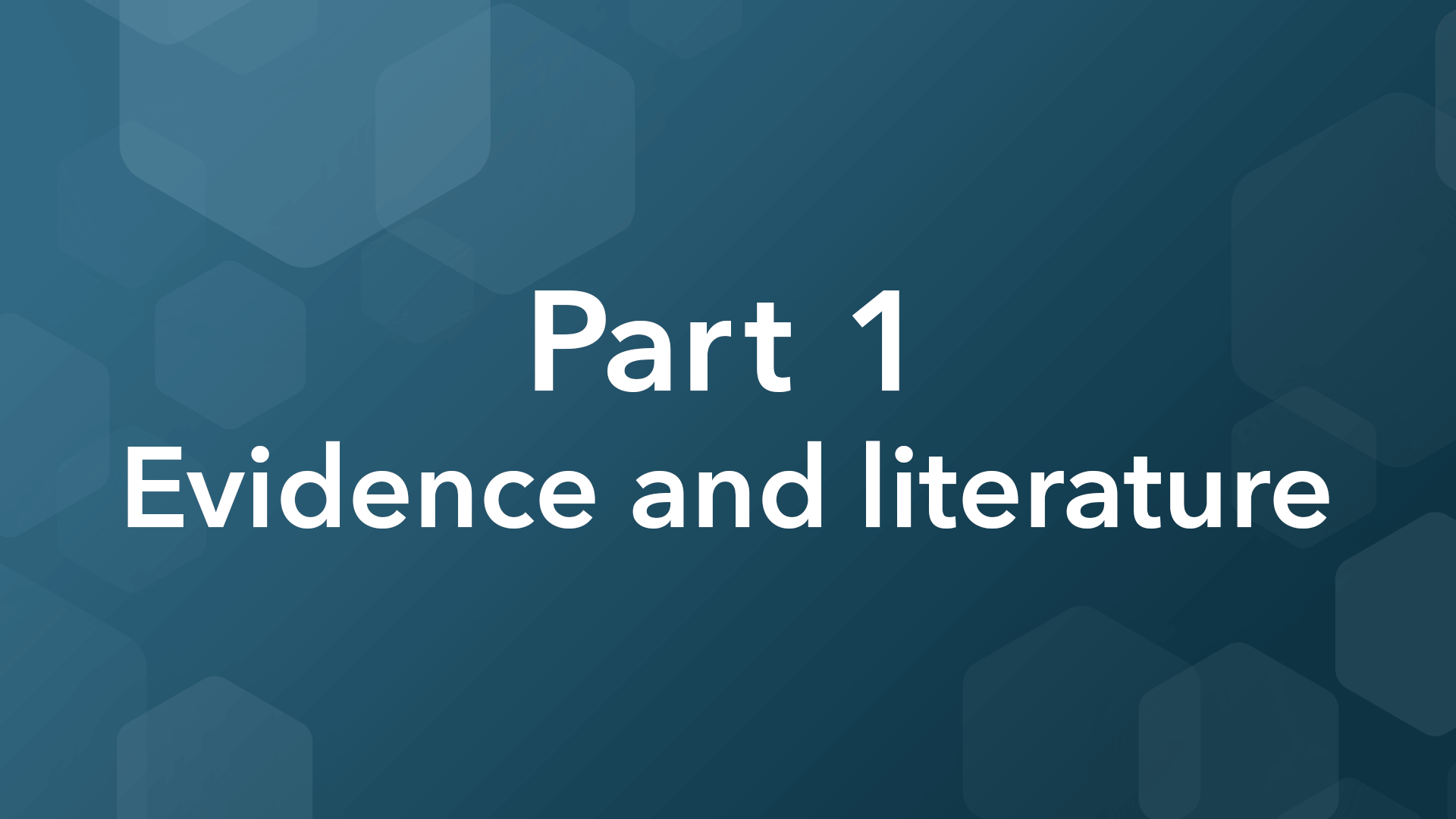
Leading specialists in interventional radiology and hepatology share their experiences and knowledge on the benefits of early TIPS procedures for patients with portal hypertension. This minimally invasive procedure is used to create a channel within the liver to connect the portal vein to the hepatic vein, reducing portal hypertension. They suggest that treating patients earlier helps alleviate the complications of advanced chronic liver disease and portal hypertension, including variceal bleeding and refractory ascites.
The specialists focus this section of the webinar on summarizing the evidence and literature addressing preemptive TIPS for acute variceal bleeding, mortality due to bleeding in the first three days, and the benefits of early intervention in patients with refractory ascites, nutritional deficits, and sarcopenia.
In this segment, Dr. Virginia Hernández-Gea discusses the two main treatment options—rescue TIPS and preemptive TIPS. She also explains clinical criteria such as Child-Pugh scores to stratify patients.
In this excerpt from the webinar, experts explain that while larger hospitals are aware of the benefits of early TIPS placement, awareness and accessibility might be lacking in smaller hospitals around the world.
Please click the button below and submit the required information to connect with your local Cook representative. This form is intended for US-based physicians only.