Over the last 60 years, the flexible endoscope has been instrumental for surgeons as therapeutic intervention has evolved. Today, surgeons are going beyond the traditional exploratory boundaries of endoscopic surgery to deliver treatment.
Read this special report from General Surgery News about the rising trend of therapeutic endoscopy.

At Cook Medical, we’re proud to play a part in advancing treatment. Check out our expanding product portfolio in therapeutic endoscopy:
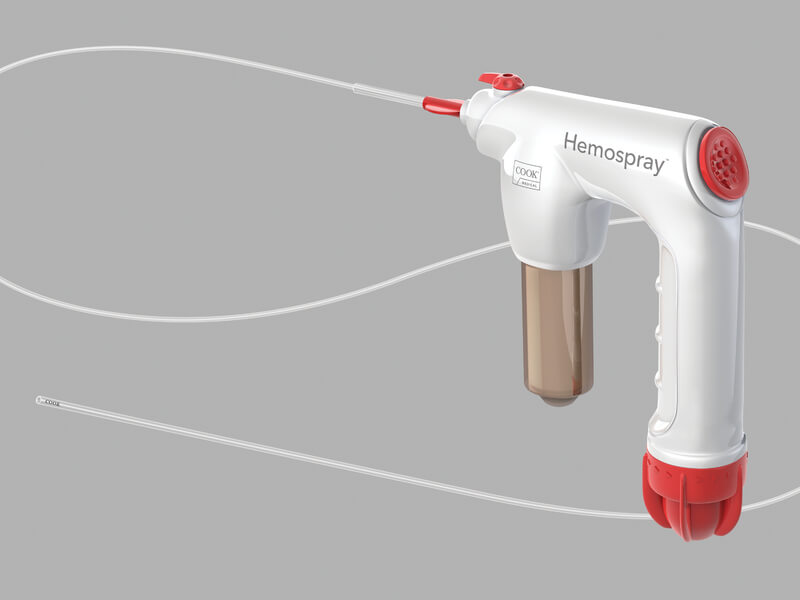 Hemospray® Endoscopic Hemostat
Used for hemostasis of nonvariceal gastrointestinal bleeding. For use only with a 2.8 mm or larger flexible endoscope within the GI tract.
Summary of Clinical Data: Clinical data summary information that was, in part, the basis for granting the de novo can be found on the Cook Medical website at CookMedical.com/HemosprayData
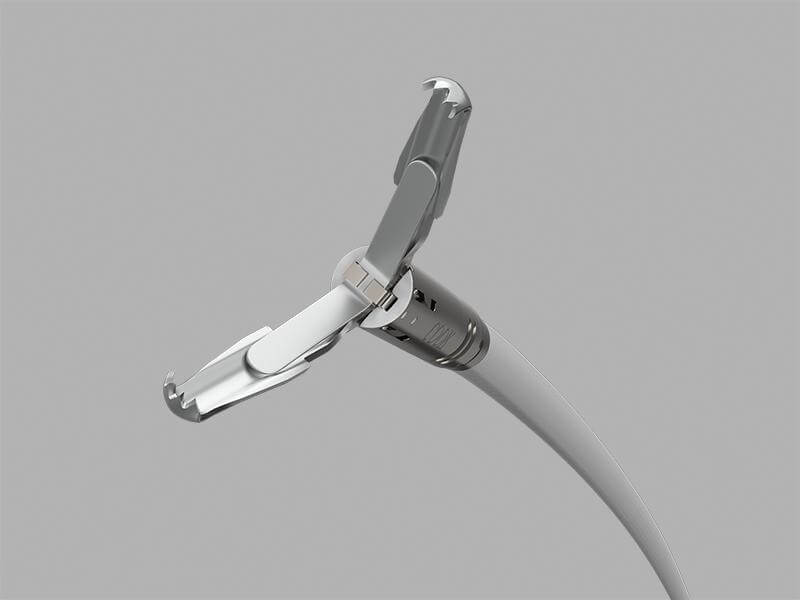 Instinct Plus™ Endoscopic Clipping Device
Used for endoscopic clip placement within the gastrointestinal tract for the purposes of: 1) endoscopic marking, 2) hemostasis for mucosal and submucosal defects less than 3 cm, bleeding ulcers, arteries less than 2 mm, polyps less than 1.5 cm in diameter, diverticula in the colon, and prophylactic clipping to reduce the risk of delayed bleeding post lesion resection, 3) anchoring to affix jejunal feeding tubes to the wall of the small bowel, 4) as a supplemental method for closure of GI tract luminal perforations less than 20 mm that can be treated conservatively, and 5) anchoring to affix fully covered esophageal self-expanding metal stents to the wall of the esophagus in patients with fistulas, leaks, perforations, or disunion.
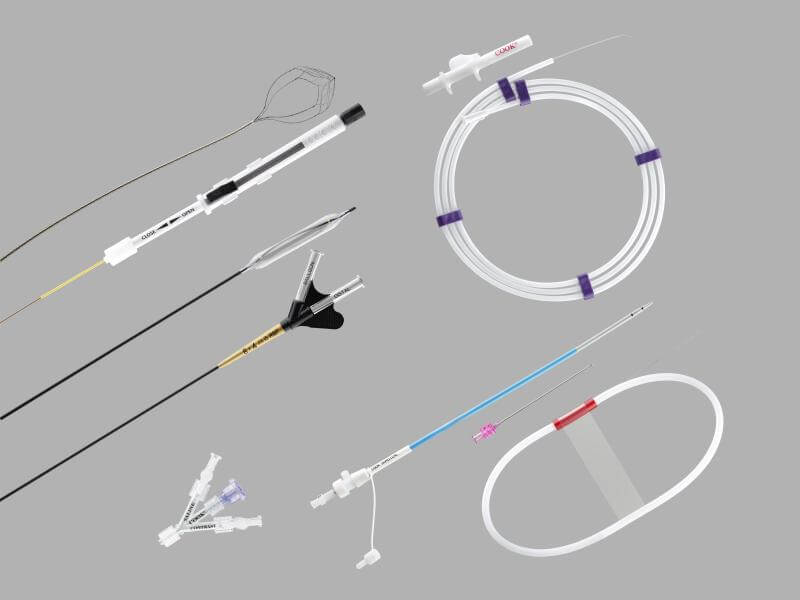
Perform intraoperative cholangiograms, stone management, and biliary drainage using our extensive portfolio of biliary disease management devices.
DIAGNOSE
We offer a selection of cholangiography devices specifically intended for percutaneous approaches and laparoscopic approaches.
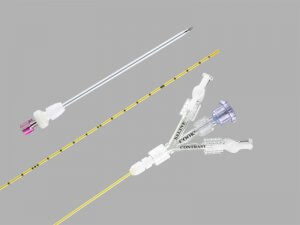 Fanelli Cholangiography Catheter Set
Used for diagnostic evaluation of the bile ducts during laparoscopic cholecystectomy procedures.
 Franklin Endoscopic Cholangiography Set
Used for diagnostic evaluation of the bile ducts during percutaneous cholecystectomy procedures.
 Mixter Endoscopic Cholangiography Set
Used for diagnostic evaluation of the bile ducts during percutaneous cholecystectomy procedures.
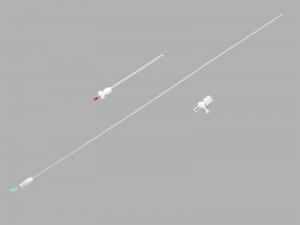 Olsen Endoscopic Cholangiography Set
Used for access and diagnostic evaluation of the bile ducts during percutaneous cholecystectomy procedures.
 Petelin Endoscopic Cholangiography Set
Used for access and diagnostic evaluation of the bile ducts during percutaneous cholecystectomy procedures.
REMOVE
Our stone management devices are sold as kits and as individual pieces.
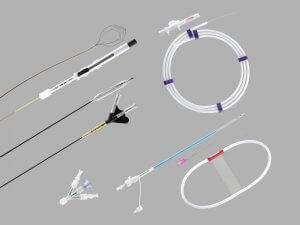 Common Bile Duct Exploration Set
Used for common bile duct exploration.
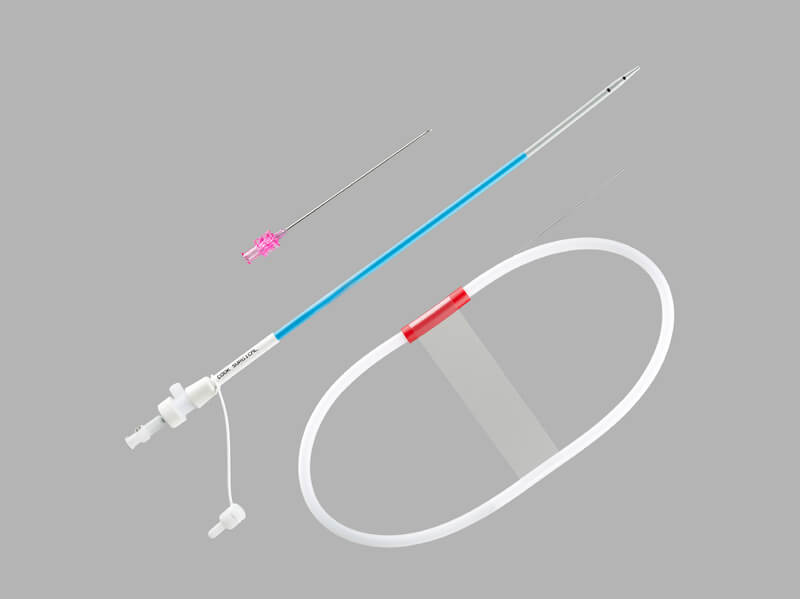
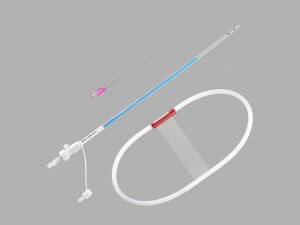 Appel-Berci Cystic Duct Introducer Set
Used for placement of choledochoscopes, cholangiography catheters, and other instruments.
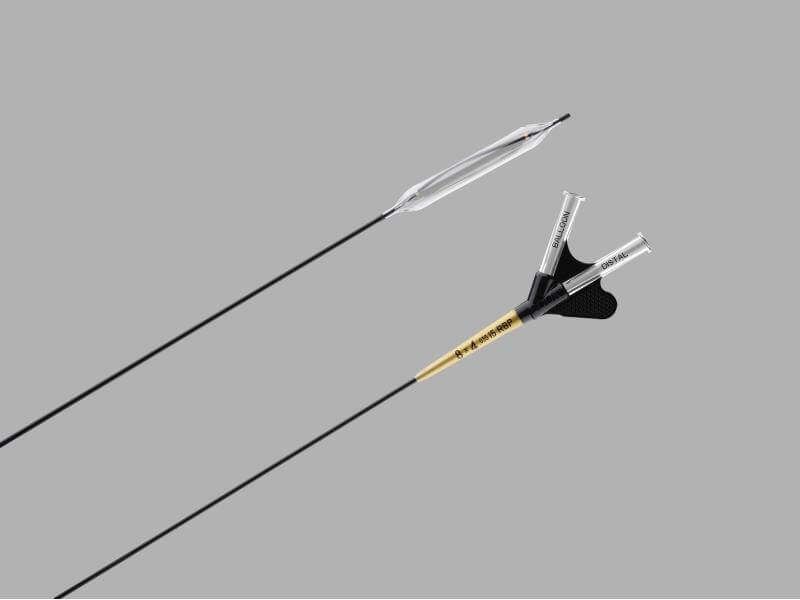
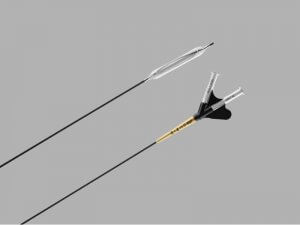 ATB Advance® Balloon Catheter
Used for laparoscopic and general surgical procedures for the dilation of the cystic duct to facilitate common bile duct exploration.
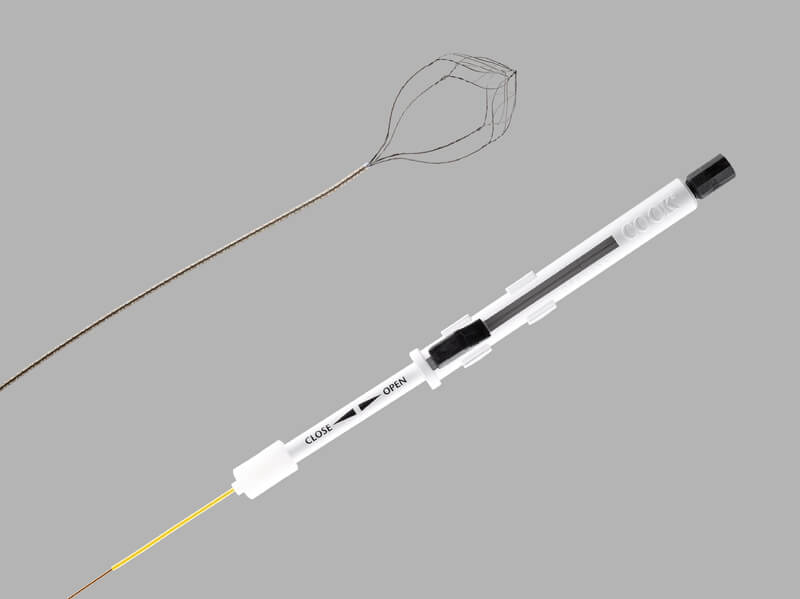
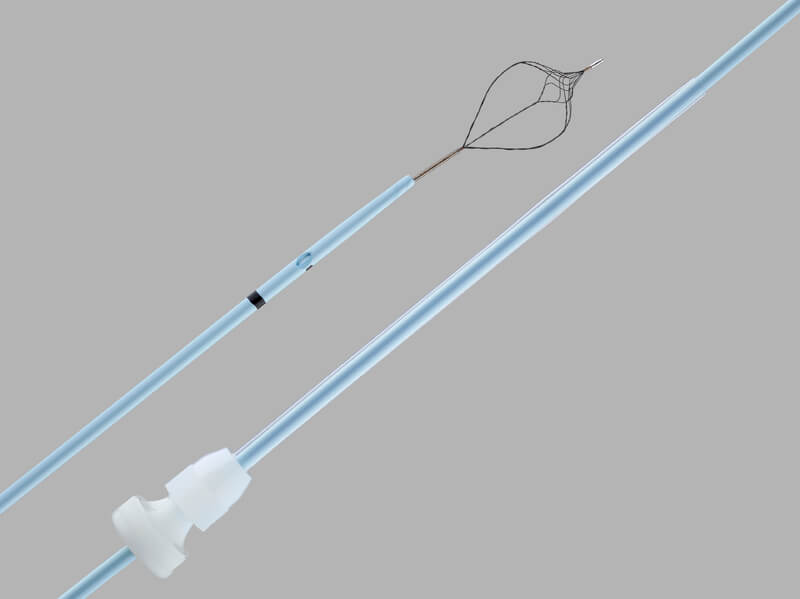
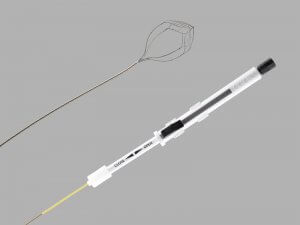 NCompass® Nitinol Stone Extractor
Used for extraction of stones or debris during biliary surgical procedures.
 Nathanson Transcystic Bile Duct Stone Exploration Pack
Used for extraction of bile duct stones via a transcystic approach.
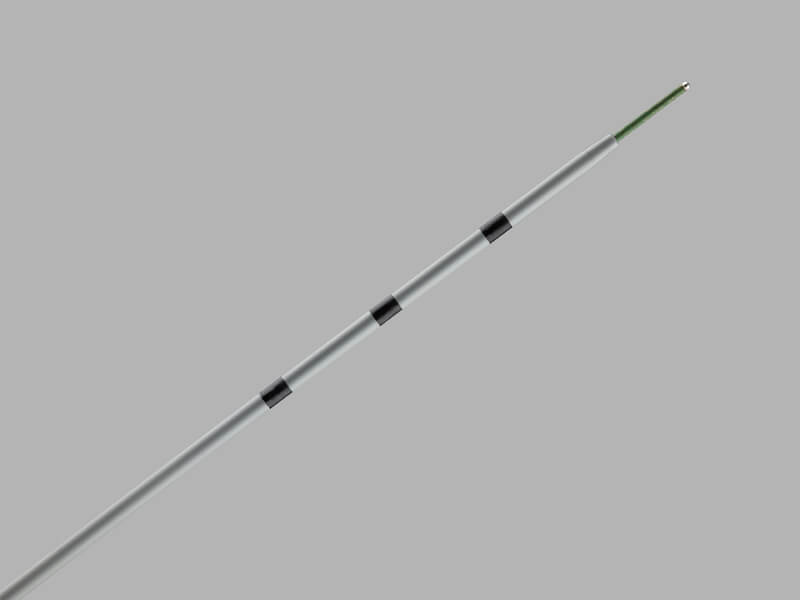
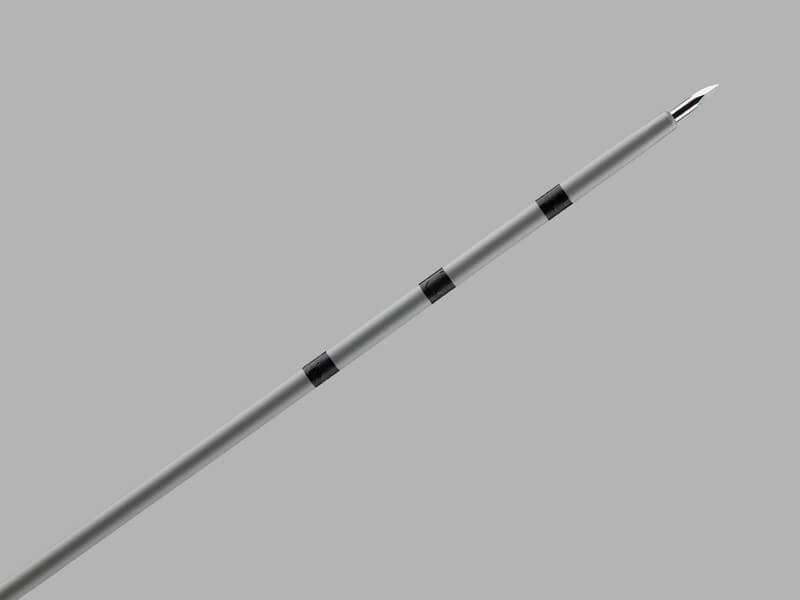
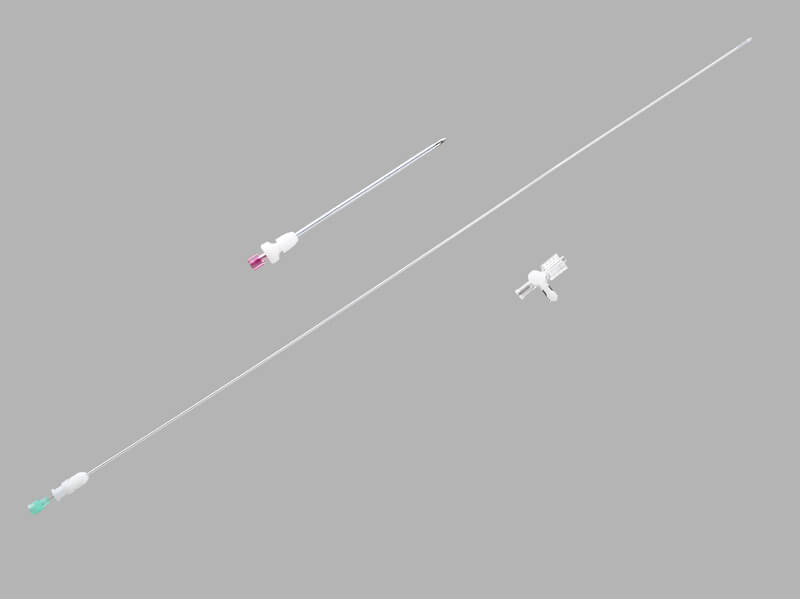
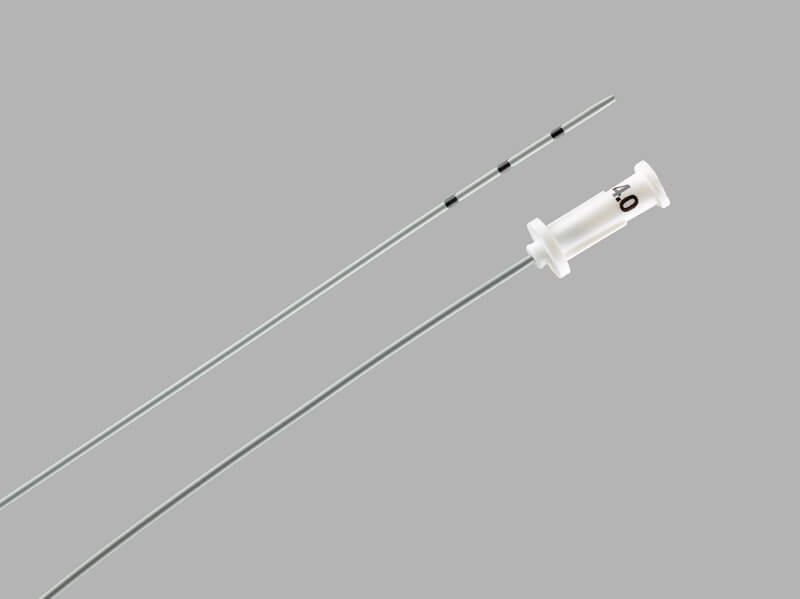
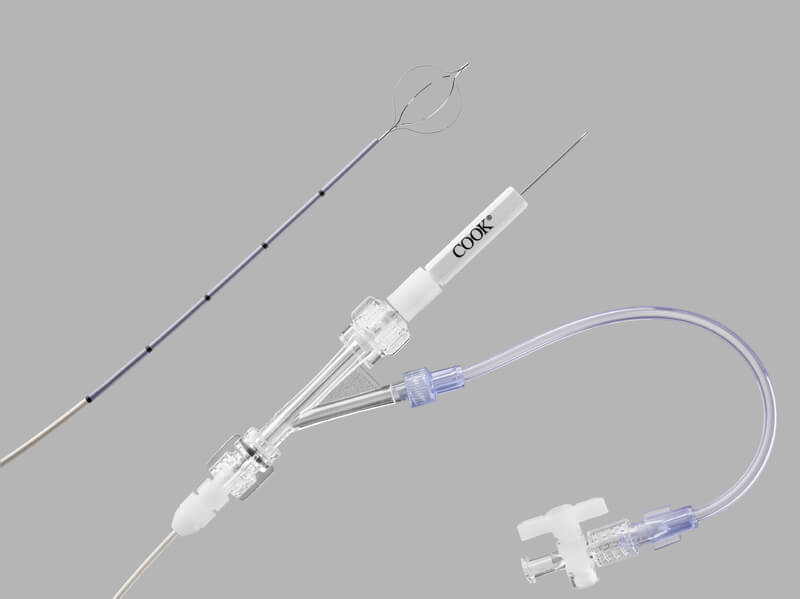
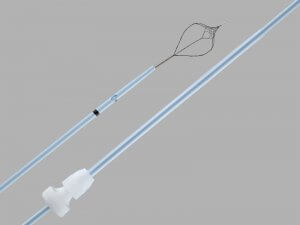 Strange Cholangiography Set
Used for cholangiography and bile duct stone retrieval using fluoroscopy. The device is indicated for adults only.
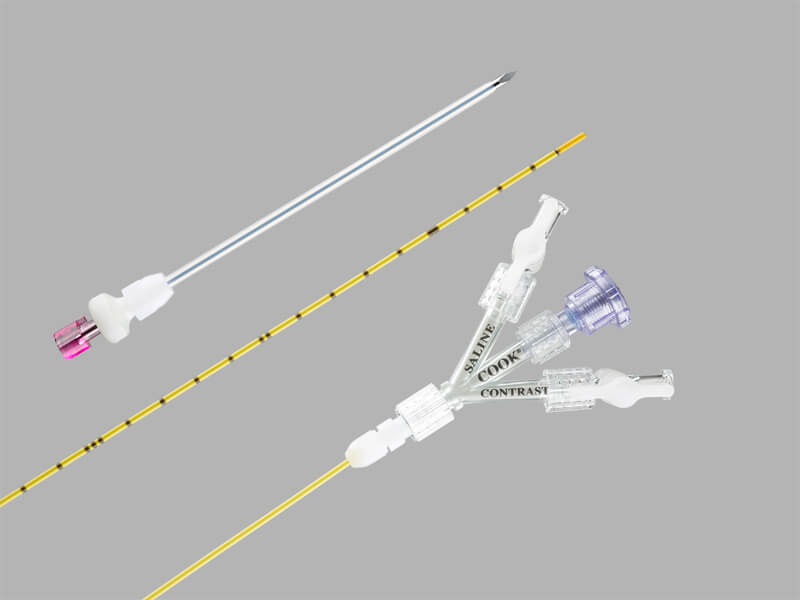
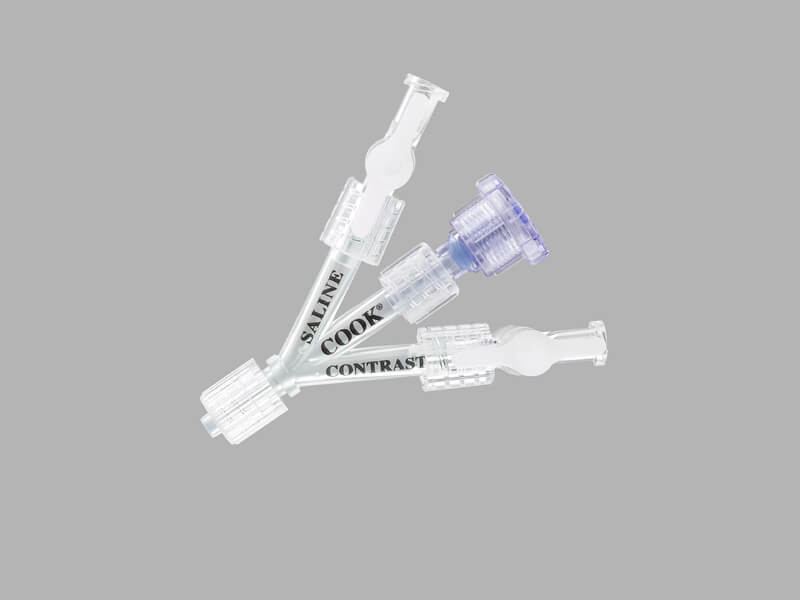
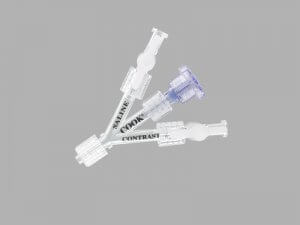 Three–Way Multipurpose Adapter
Used for saline flush or contrast for cholangiography.
We at Cook Medical love to engage with customers and industry partners on social media. (You can find us all here.)
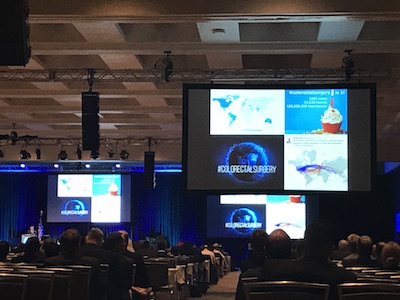
Dr. Richard Brady talks about #colorectalsurgery and Twitter at ASCRS.
Social media has already made a big impact for surgeons. To see it for yourself, take a look at the #colorectalsurgery hashtag. According to Dr. Richard Brady, it has seen more than 3,400 users and 31,000 tweets in its first year. Or take a look at the #Ilooklikeasurgeon hashtag, which started in August 2015 and is still going strong. Tweets get especially fun during academic meetings and congresses. By using hashtags like #ACSCC16, #ACPGBI2017, and #ASCRS17, you can easily engage with fellow attendees or follow the event from home. These event hashtags seem to be growing. According to this tweet by Dr. Sean Langenfeld, the #ASCRS17 hashtag was tweeted 6,723 times this year. In 2015, the #ASCRS15 hashtag was only tweeted 944 times.
During the recent tripartite meeting of the American Society of Colon and Rectal Surgeons (ASCRS), several surgeons spoke about their experience with social media.
Three social media strategies from this year’s ASCRS tripartite meeting
-
Share clinical data, said Dr. Des Winter (@des_winter).
In his talk, Dr. Winter explained how little we know about the world of science. Social media lets us connect with each other to share the bits of information we do understand. “Even when we have fantastic evidence, it doesn’t penetrate,” said Dr. Winter. “It doesn’t penetrate because it has no influence. This is precisely what social media can do now. Social media can influence the way we think about the evidence that’s already there. It doesn’t change the content, but it gives you access to it.”
-
Manage your reputation, said Dr. Sean Langenfeld (@seanlangenfeld).
On social media and on physician-rating sites, some surgeons occasionally see disgruntled posts. Dr. Langenfeld suggests not responding on the digital platform. “You’re fueling the fire. They’re looking for a response out of you,” said Dr. Langenfeld. Instead, he suggested addressing patient concerns in person. He also suggested developing an online defense. “Provide as much positive information as possible between the online consumer and unregulated [physician-rating] websites.”
-
Take some breaks, said Dr. Richard Brady (@researchactive).
Many surgeons experience information overload. Some feel pressured to stay connected at all times. This can lead to burnout. “Social media has great utility, but it’s addictive. We need to limit our use,” said Dr. Brady. The brain reacts strongly to novelty, and each notification we see on social media boosts dopamine levels. “You need to train your brain to focus on tasks for a longer period of time without distraction.” Dr. Brady offered some tips. “Use shorter and less emails. Remove your phone from your bedroom at night. Don’t blindly scroll through your timelines.”
If you have any more thoughts on this, let us know. Tweet us at @CookSurgery.

Biodesign® products from Cook Medical are constructed from small intestinal submucosa. But before our Biodesign products came into being, we had another line of small intestinal submucosa products. That product line was Surgisis®. In 2008, we created a new process for producing our small intestinal submucosa technology. Around that same time, we renamed the product line from Surgisis to Biodesign.
Our Biodesign product line for surgeons is similar to our Surgisis product line.
Why the changes?

Umesh, president of Cook Biotech, listened to surgeons’ suggestions.
When Cook Biotech first launched Surgisis products in 1998, they received positive feedback from surgeons. Umesh Patel, the president of Cook Biotech, remembers it clearly. Umesh was part of the team that first developed products from small intestinal submucosa. He and the Cook Biotech team worked hard to create Surgisis products, which were the first small intestinal submucosa products for surgeons.
“We heard surgeons talking about how it could be improved,” says Umesh. “We’re always interested in improving our product.” His team took a closer look at the product. They saw room for improvement in its handling characteristics and its biologic attributes. “We wanted to make a purer biomaterial. Lipids don’t have a place in the healing process. So, we reduced the amount of lipid in the material while maintaining other components that do have a place in the healing process.”
Then, they performed nonclinical studies. They saw more robust blood vessel ingrowth into the new material.1 They found that the new material rehydrated faster.1 In order to improve the operative performance of the Biodesign Hiatal Hernia Graft and Biodesign Hiatal Graft, they included a quilting process.
“We were satisfied once we saw the results of the clinical performance,” says Umesh. “We still continue to focus on improving our products and developing new ones.”
Learn more about small intestinal submucosa.
1 Data on file at Cook Biotech
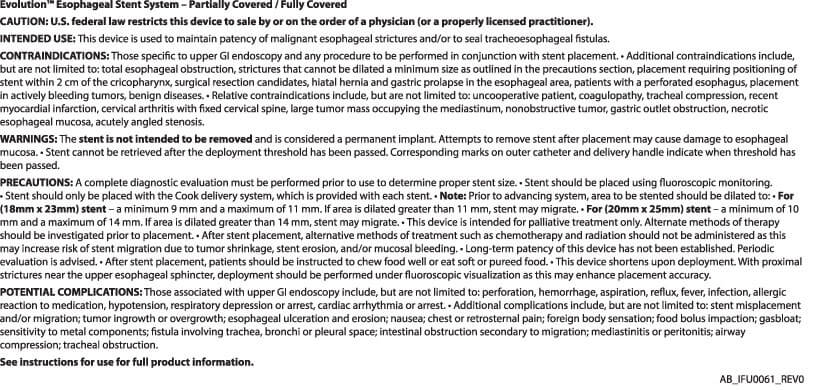
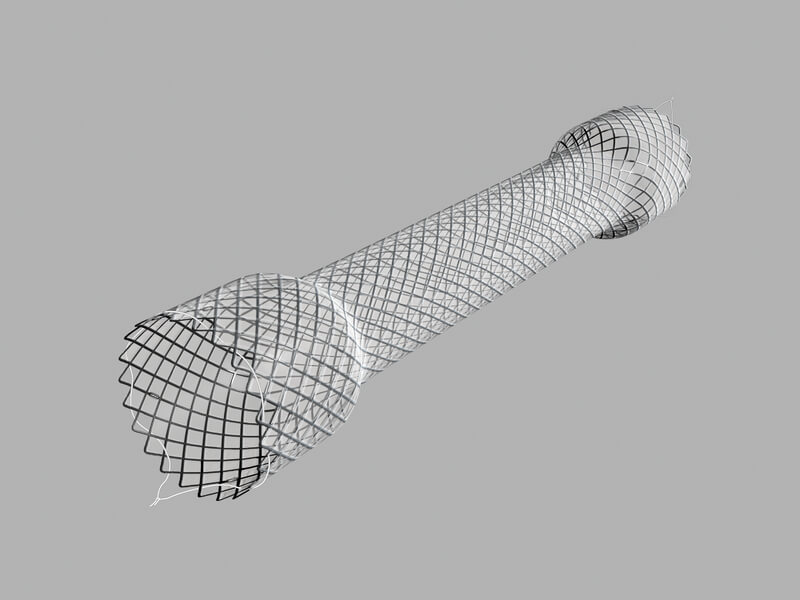 Evolution® Esophageal Controlled-Release Stent – Fully Covered
 Evolution® Esophageal Controlled-Release Stent – Partially Covered
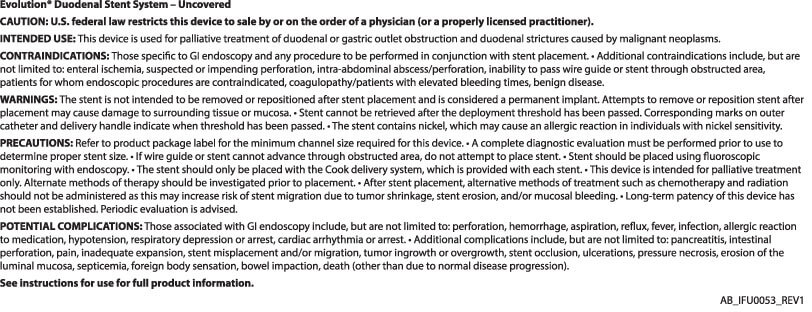
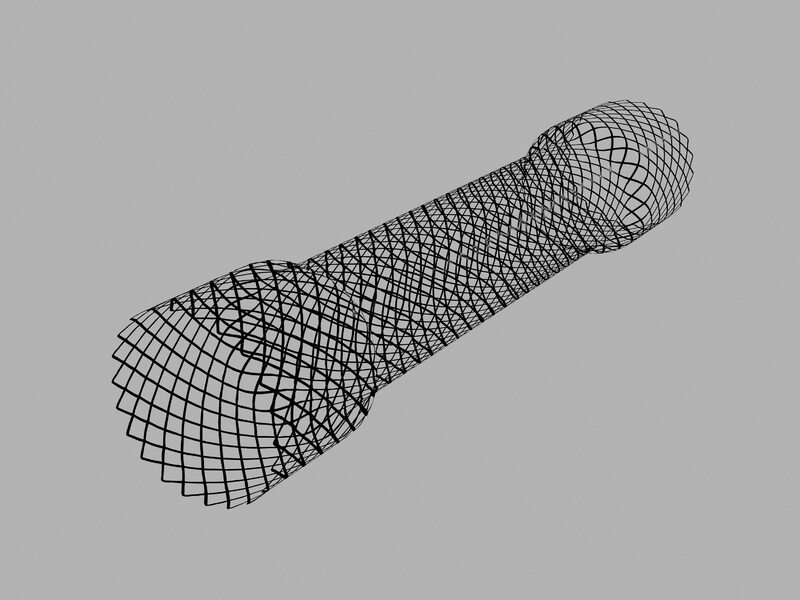 Evolution® Duodenal Controlled-Release Stent – Uncovered
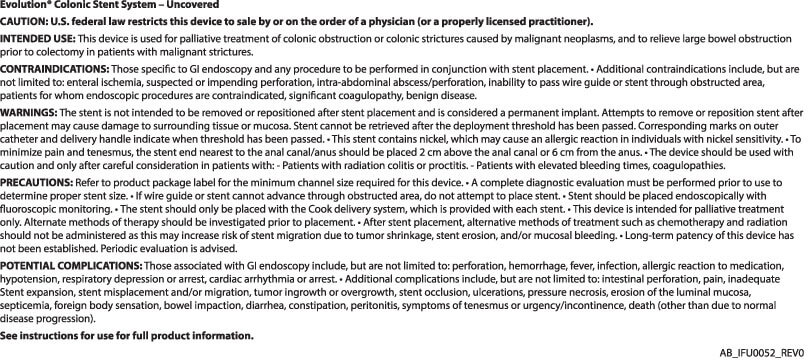
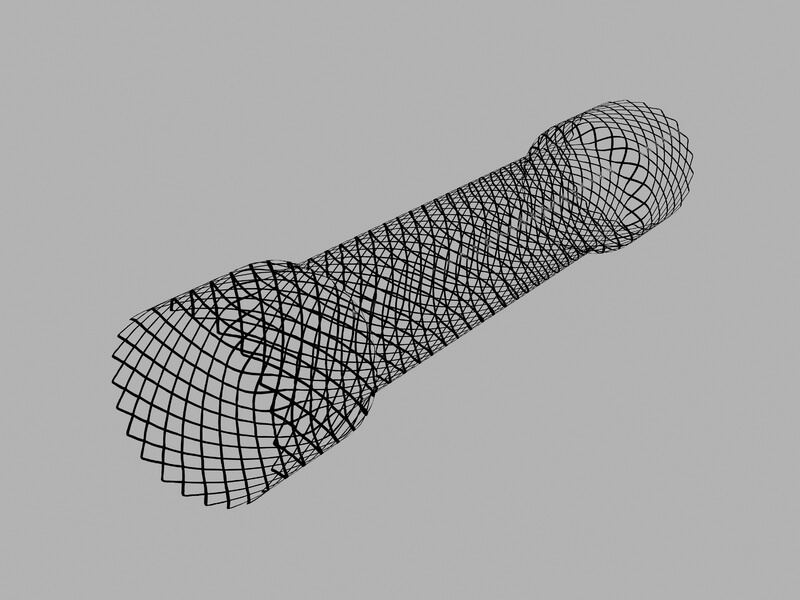 Evolution® Colonic Controlled-Release Stent – Uncovered
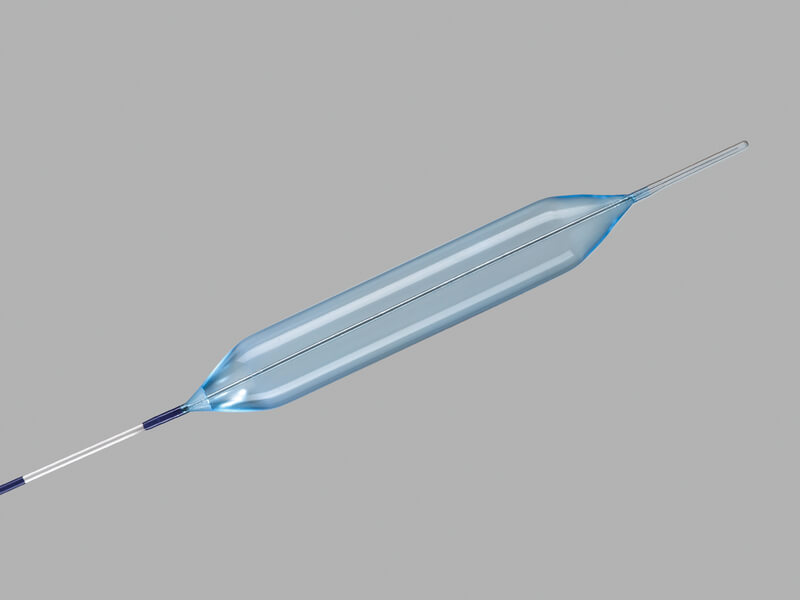 Hercules® 3 Stage Balloon
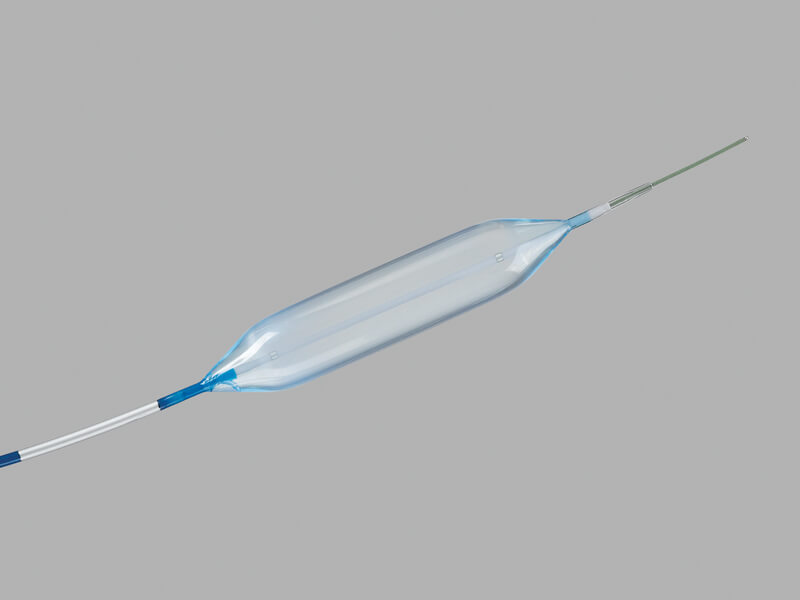 Hercules® 3 Stage Wire Guided Balloon