 Over the last 60 years, the flexible endoscope has been instrumental for surgeons as therapeutic intervention has evolved. Today, surgeons are going beyond the traditional exploratory boundaries of endoscopic surgery to deliver treatment. Read this special report from General Surgery… Over the last 60 years, the flexible endoscope has been instrumental for surgeons as therapeutic intervention has evolved. Today, surgeons are going beyond the traditional exploratory boundaries of endoscopic surgery to deliver treatment. Read this special report from General Surgery…
 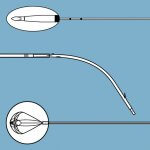 Perform intraoperative cholangiograms, stone management, and biliary drainage using our extensive portfolio of biliary disease management devices. DIAGNOSE We offer a selection of cholangiography devices specifically intended for percutaneous approaches and laparoscopic approaches. Fanelli Cholangiography Catheter Set Used for diagnostic evaluation…
 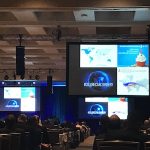 During the recent tripartite meeting of the American Society of Colon and Rectal Surgeons (ASCRS), several surgeons spoke about their experience with social media.
  Before our Biodesign products came into being, we had another line of small intestinal submucosa products. That product line was Surgisis®. In 2008, the process for making our small intestinal submucosa technology had changed so much, we renamed the products.
 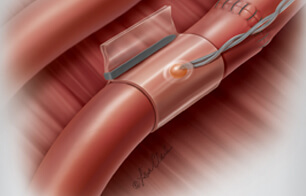 Watch the surgical placement of a probe, learn intraoperative troubleshooting tricks, see how a probe is removed, and more.
  Vista events are designed that way: to focus on education, not on selling products. Jodie O’Bryan leads Vista events in Australia. “The overall goals of the training labs,” she says, “are to foster collaborative partnerships, provide clinically relevant education, and provide product support.”
 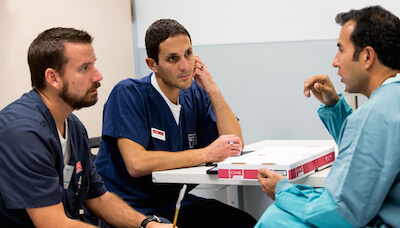 Many companies tout words like ‘collaboration’ or ‘partnership,’ when talking about their relationship with customers. We, too, place high value on our partnerships with physicians. But what does partnership mean to us here at Cook?
 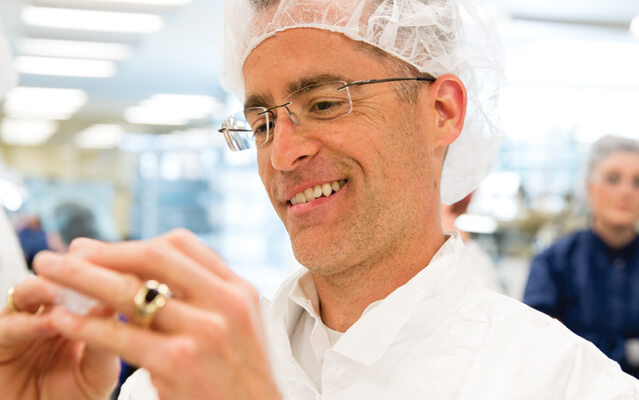 We are not satisfied with the state of surgery today. We won’t be satisfied until every person who goes into an OR for a surgical procedure leaves with a positive outcome.
  First of all, I’d like to commend SAGES on its selection of venue. Salt Lake City is one of the most picturesque cities in the country. It seems that everywhere you look is a beautiful, postcard-worthy view.
  Many sessions and symposia at this year’s ASGBI Congress focus on expanding the abilities of the surgeon. These are a few events that have already caught our eye.
  In 2000, Gail McDaniel helped Cook launch a new technology: small intestinal submucosa (SIS). Sixteen years later, Gail noticed an incisional hernia in the spot where she had previous surgery. When her surgeon told her that she would need a surgical repair, he mentioned that he’d need to reinforce the repair with a mesh.
  In 2012, a 43-year-old woman went into the operating room at QEII Hospital in Brisbane, Australia for an ordinary gynecological procedure. While in recovery, she felt increasing pain. Soon she was in multiple organ failure.
  Education is everything. If there was more information for patients, even a leaflet in the reception of a hospital ‘If you have hernias...’ My wife said if she had seen a leaflet with something like a list of options available for hernia patients on it, she would have moved hell and high water to make sure we got to explore every option.
  I was diagnosed with prostate cancer in the summer of 2010, after a biopsy. I was asked to come into the hospital and meet with a consultant. He said to me, ‘I’m sorry Tony but you have prostate cancer and it’s pretty bad’. I went outside, sat on the steps and cried. I had been diagnosed with diabetes the year before and this was not the news I needed to hear.